

All articles


Diets for weight loss – which ones work best and offer sustainable results?
The keto diet, the 5:2 method, Paleo, LCHF and intermittent fasting – these are just a few examples of popular diets that often promise solutions to your health problems and claim to be the optimal path to rapid weight loss. But how well do they actually work – and, more importantly, how sustainable are they in the long term?
In this article, we at Yazen explore how different diets work, why many people find that they’re difficult to maintain over time, and what might be a more sustainable approach to achieving your goals.



Low-carb (LCHF): guide, risks and benefits
Low-carb eating (LCHF) reduces carbohydrates and replaces them with more fat and protein. For some people, this can lead to a lower energy intake, weight loss and, in some cases, improved health. In type 2 diabetes, a low-carbohydrate diet may help with blood glucose control. In this guide, you’ll learn what LCHF is, what to eat, and which risks you should be aware of before you start.


Rethinking Obesity Care Through a Comprehensive Digital Model
The Yazen model integrates medical treatment, behavioural support, education, and social engagement into one continuous digital care pathway. By combining multidisciplinary expertise with high accessibility and ongoing patient interaction, the model aims to support sustainable obesity treatment and long-term health improvement.


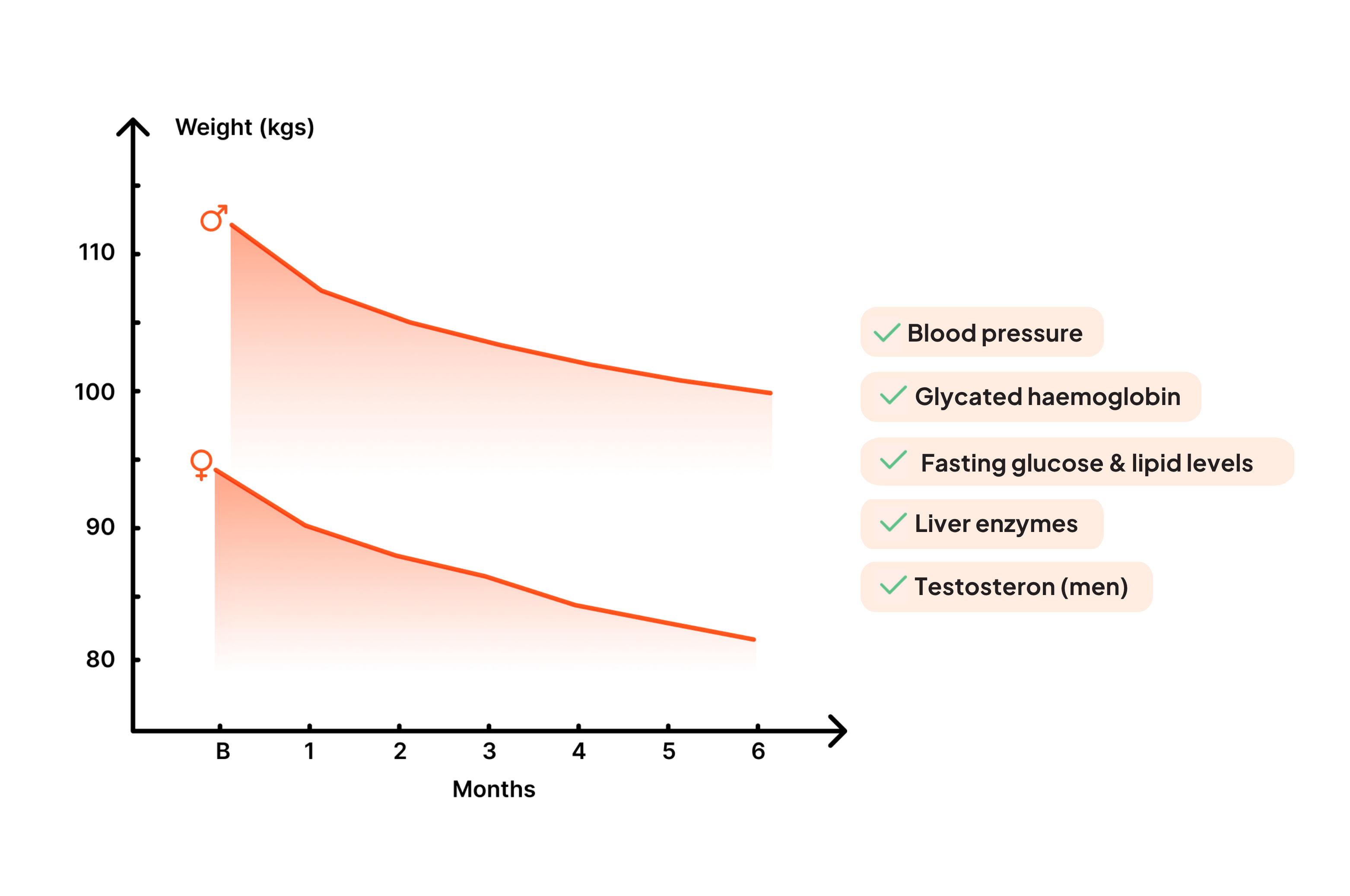
Examining the effectiveness of a new digital care model on weight loss for people living with obesity
This real-world evaluation of more than 2,600 patients in Sweden showed that Yazen’s comprehensive digital obesity care model achieved 12.6% weight loss after 6 months, alongside significant improvements in cardiometabolic health markers. The model combines GLP-1 treatment, lifestyle intervention, and continuous multidisciplinary support through a digital platform designed for long-term obesity care.
