

Henrik Lundvall
Henrik has extensive experience in senior roles within international media and tech companies, including TT, Expressen, Microsoft, Axel Springer and Lifesum. At Yazen, he is Head of Content, with responsibility for strategy, marketing and in-app content, working closely with product, medical and tech teams.



.jpg)

Ozempic or Wegovy – what is the difference for weight loss?
Many people seeking help for overweight and obesity ask: Should I choose Ozempic or Wegovy? Since the names are often used interchangeably, it can be confusing. Here, we clarify the differences in efficacy, dosage, and purpose to help you understand the options.
.jpg)
What is "Ozempic face"? The truth behind the term and what you can do about it
The term "Ozempic face" has spread like wildfire across social media and news reporting. It refers to an appearance characterized by sunken cheeks, increased wrinkles, and saggier facial skin that is sometimes seen during treatment with medications such as Ozempic, Wegovy and Mounjaro. But is it the medicine itself that ages the skin? The answer is no. The phenomenon is a natural biological consequence of rapid and significant weight loss—regardless of which method you use.

Weight loss tablets: what actually works?
The market for weight loss tablets is large and often filled with bold claims about quick results. It’s important to understand the difference between over-the-counter supplements and prescription medicines with proven scientific evidence. There’s a big gap between them in terms of effectiveness, safety, and how closely they’re regulated.
If you’d rather avoid injections, there are now prescription tablet options that can help regulate appetite, reduce energy intake, and support weight loss. These medicines work through well-defined biological mechanisms and are used as part of a medical treatment plan for overweight or obesity.
Below, we walk you through the available tablet-based treatments, how they work, and who they might be suitable for.
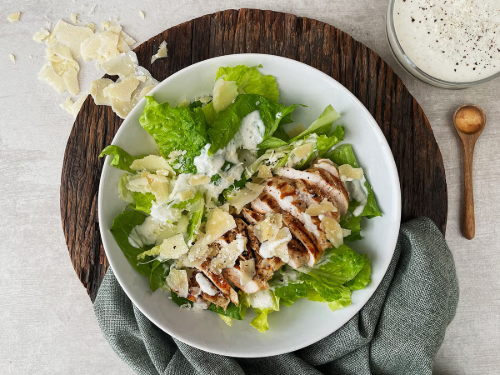
Caesar salad – healthier, high-protein recipes
Caesar salad is a timeless favourite: crisp romaine lettuce, salty Parmesan and a creamy dressing with lemon and garlic. In this guide, you’ll see how to keep those classic flavours while making the salad more filling and higher in protein, using chicken, a lighter dressing and even a creative pizza-style option with a chicken base.

Rybelsus vs Ozempic: what’s the difference?
The main difference between Rybelsus and Ozempic is how the medication is taken. Rybelsus is taken as a tablet once a day, while Ozempic is given as a subcutaneous injection once a week.
Both medicines contain the active ingredient semaglutide, a GLP-1 receptor agonist that affects appetite regulation and blood sugar control.


Is Ozempic safe for weight loss?
Choosing medication to support weight loss is a big decision. It’s completely natural to want clear answers about safety and possible risks. Medicines like Ozempic and Wegovy have had a lot of media attention, and the information out there can feel mixed or confusing. To make a well-informed choice, it’s important to look at scientific evidence and individual medical assessment rather than headlines.

What happens if you stop taking Mounjaro?
Stopping Mounjaro often brings up a lot of questions. If you’ve been using it to support weight loss or improve your metabolic health, it’s completely natural to wonder what happens next.
Mounjaro is a prescription medicine containing tirzepatide. In the UK, it’s licensed for type 2 diabetes and weight management, alongside lifestyle changes. But what actually happens in your body when you stop treatment? Will the weight come back? And is it possible to keep the results long term?
.jpg)
Side effects of Ozempic and Wegovy: what’s common and what should you look out for?
Interest in medicines containing semaglutide, such as Ozempic and Wegovy, has grown quickly in recent years. With proven effects, it’s natural that questions about safety and side effects follow. How does the treatment affect your body? Is it safe? And what can you do if you feel sick, for example?
