




.svg)
NNR in brief
- The Nordic Nutrition Recommendations (NNR) provide the scientific basis for dietary guidelines in all Nordic countries and are updated roughly every eight years, most recently in 2023.
- The recommendations focus on what and how we should eat to promote good health, reduce the risk of chronic disease, and support sustainable eating habits over time.
- NNR emphasises more plant-based foods, healthier fats, fish and seafood, wholegrains, and less sugar, salt, red meat and processed meats.
- Unlike specific diets, NNR is not a weight-loss method. Instead, it supports a long-term healthy eating pattern based on the best available evidence.
- The recommendations also include physical activity as an important part of the overall picture, supporting both physical and mental health.
- Eating in line with the Nordic Nutrition Recommendations (NNR) is not about a diet or a trend, but a long-term way to support health based on the latest body of research. But what does it actually mean to follow NNR in everyday life? Which eating habits do the recommendations highlight, what are the health benefits, and what does the research behind this advice say?
What is NNR?
NNR, the Nordic Nutrition Recommendations, are the scientific foundation for the official dietary guidelines in all Nordic countries. They are updated about every eight years, most recently in 2023, to reflect the latest research.
The aim of NNR is to provide guidance on diet and lifestyle that supports good health, reduces the risk of chronic disease, and is sustainable in the long term. The recommendations are designed to improve public health and focus on overall dietary patterns, as well as the role of different food groups.
Why NNR matters – for both health and the environment
Because the Nordic countries share a similar climate, food availability, eating habits and health challenges, NNR is designed specifically for our region. If you want to make healthier choices, whether your focus is weight, blood lipids, blood sugar or general wellbeing, NNR offers a strong, evidence-based starting point.
The recommendations aim to strengthen public health across different groups by providing clear, scientifically grounded guidance on diet and nutrient intake.
NNR also considers how our diets affect the climate and the environment.
NNR 2023: What the recommendations look like
1. Eat more plant-based foods
Vegetables, fruit, wholegrains, pulses and nuts are central to NNR. They provide fibre, vitamins and minerals that support the body and reduce the risk of cardiovascular disease, type 2 diabetes and certain cancers.
The diet recommended by NNR should be varied to ensure adequate intake of energy-yielding nutrients, vitamins and minerals, and to help prevent nutrient deficiencies.
2. Choose healthier fats
NNR recommends choosing fats mainly from plant oils such as rapeseed oil and olive oil, as well as from fish and seafood, nuts and seeds. These sources provide unsaturated fats that are beneficial for cardiovascular health.
At the same time, saturated fat intake should be limited — particularly from full-fat dairy products, meat and processed meats — because a high intake has been linked to an increased risk of several chronic diseases.
Research clearly shows that the risk of cardiovascular disease decreases when some saturated fat is replaced with unsaturated fats.
3. Eat more wholegrains
Wholegrains contain more fibre, vitamins, minerals and bioactive compounds than products made from refined flour. Higher wholegrain intake is linked to a lower risk of cardiovascular disease, type 2 diabetes and weight gain over time.
Wholegrains also support steadier satiety and more stable blood glucose levels, which helps both long-term health and a sustainable weight.
4. Eat more fish and less red meat
Fish and seafood are recommended regularly, ideally several times a week. Oily fish such as salmon, herring and mackerel are particularly important because they provide omega-3 fatty acids and key vitamins and minerals.
Intake of red meat and processed meats should be limited, as high intake is linked to an increased risk of cardiovascular disease, type 2 diabetes and certain cancers.
5. Less sugar and salt
NNR recommends reducing foods high in added sugar, especially sugar-sweetened drinks, snacks and baked goods. A high intake of added sugar is associated with a higher risk of weight gain, type 2 diabetes and cardiovascular disease.
The recommendations also stress limiting salt intake. Too much salt can raise blood pressure and therefore increase the risk of cardiovascular disease. Choosing less salty products and tasting food before adding salt are simple ways to reduce salt intake.
6. Physical activity – also part of the recommendations
NNR is not only about what we eat. The recommendations also emphasise physical activity as a key part of a healthy lifestyle. For adults, this means:
- 150–300 minutes of moderate physical activity per week, or 75–150 minutes of vigorous activity
- Strength training 2–3 times per week to maintain muscle mass and strength
- Less sitting: breaking up long periods of sitting has positive effects on health
Physical activity supports better cardiovascular health, improved blood glucose control, stronger muscles and joints, and increased wellbeing, making it an important part of NNR’s whole-person approach to health.
How can you use the Nordic Nutrition Recommendations in everyday life?
NNR underpins the dietary advice given to the public and helps guide practical food choices day to day.
Here are a few simple ways to get started:
- Fill half your plate with vegetables at lunch and dinner
- Switch to wholegrain rice, wholewheat pasta or bulgur
- Use rapeseed oil or olive oil when cooking
- Eat fish 2–3 times per week
- Keep fruit, vegetables and unsalted nuts at home for everyday snacks
- Build small, sustainable routines instead of trying to change everything at once
NNR and Yazen
Combining NNR with medical obesity treatment works very well. The Nordic Nutrition Recommendations are the foundation of Yazen’s dietary guidance and advice to patients.
This approach includes eating a limited amount of fat (and choosing healthier fat quality), plenty of wholegrains, fibre and vegetables, and having breakfast, lunch and dinner, plus a couple of snacks if you want. As your appetite decreases, you should focus on protein and eat less fat and carbohydrates. This helps you preserve as much muscle mass as possible when combined with strength training, and protein-rich foods also contribute essential nutrients and satiety.
You can adapt meal timing to what suits you. Together with your team, you will get tools to tailor your diet based on what you enjoy eating, your habits and preferences, your body’s response to the medication, and any special diets, allergies or intolerances.
The nutrition recommendations provide a foundation for finding your way to build new, healthy eating habits for your health and for sustainable weight loss.
Background and development of the new Nordic Nutrition Recommendations
The Nordic Nutrition Recommendations have a long history dating back to 1980, when the first guidelines were developed by the Nordic Council of Ministers. The aim has always been to create a shared, scientific basis for dietary advice adapted to the Nordic countries’ eating habits, health challenges and conditions.
Since then, the recommendations have been updated regularly, and the latest version (NNR 2023) was launched in June 2023.
What makes NNR 2023 unique is that, for the first time, the recommendations integrate both health and the environment within the same overall framework. This means NNR assesses not only how different foods affect health, but also how our dietary choices affect the climate and the environment. The goal is to promote eating habits that are sustainable both for individuals and for the planet.
The work on NNR is led by the Nordic Council of Ministers and is based on extensive systematic literature reviews carried out by researchers and experts from across the Nordic region. The recommendations are designed to meet current and future challenges in diet, health and the environment in the Nordic countries.
NNR 2023 highlights, among other things, increased intake of plant-based foods, at least 500 grams of fruit and vegetables per day, more wholegrains and more fish. Intake of red meat should, according to NNR, be limited to a health-based benchmark of no more than around 350 grams per week, with further reduction encouraged for environmental reasons.
These recommendations apply to adults, but the principles of more plant-based, nutrient-dense food choices are relevant for all age groups to support healthy habits throughout life.
Summary
NNR 2023 provides clear, evidence-based guidance on how diet and physical activity can support good health throughout life. The recommendations emphasise overall dietary patterns: more plant-based foods, wholegrains, fish, healthier fats, and less sugar, salt, red meat and processed meats.
The aim is not a short-term diet, but long-term sustainable habits that reduce the risk of chronic disease while also considering environmental impact. Through small, achievable changes – such as choosing more wholegrains, eating more vegetables and being regularly active – you can gradually build habits that strengthen your health.
If you’d like to read more about different ways of eating, we recommend our article series on diets.


June 27, 2024
January 9, 2026
Start your weight loss journey with Yazen today
Everything you need to do is to create an account and answer some questions about your health
.svg)
.svg)
More articles

Protein and weight loss: effects, benefits and risks
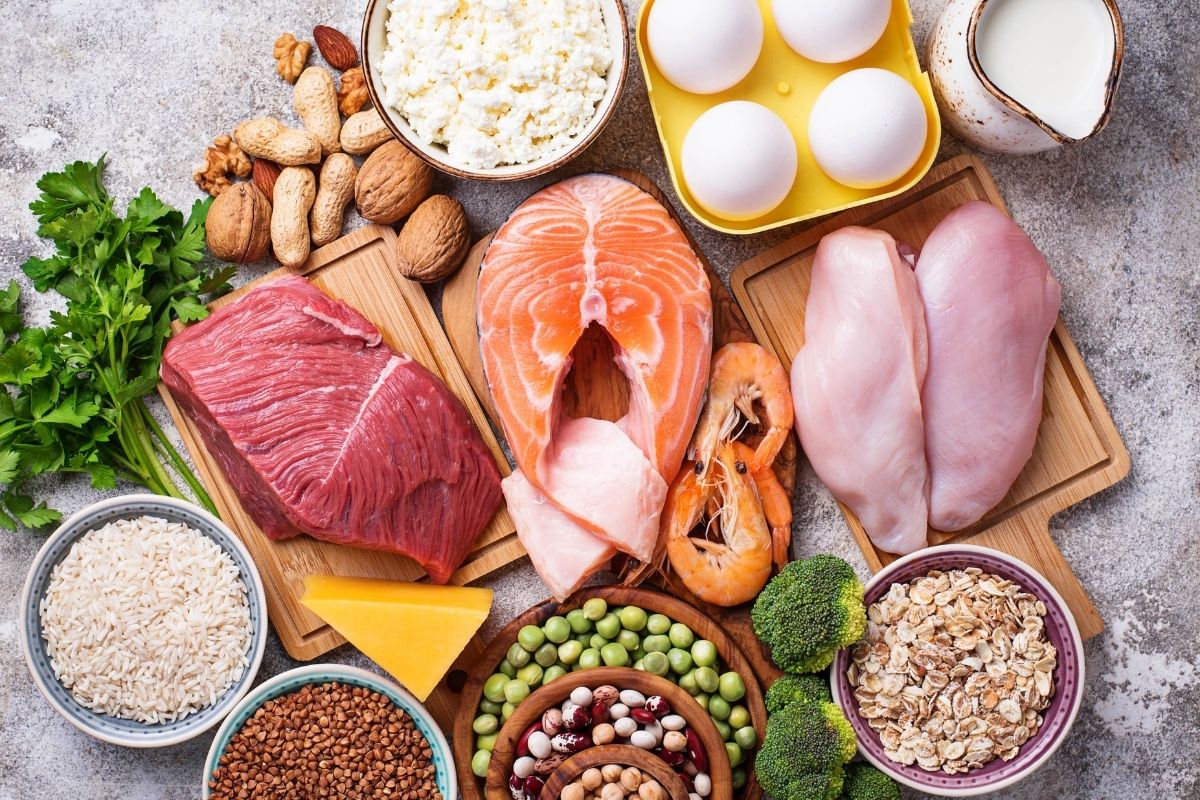
Protein can be a helpful support if you’re aiming to lose weight in a sustainable way. It can help you feel fuller for longer and support your body in maintaining muscle mass when you’re eating fewer calories. But how much protein do you actually need when trying to lose weight, what are the benefits and possible risks, and how can you increase your protein intake in everyday life? In this article, we go through everything you need to know about protein and weight loss.
Low-GI foods: recipes and guide
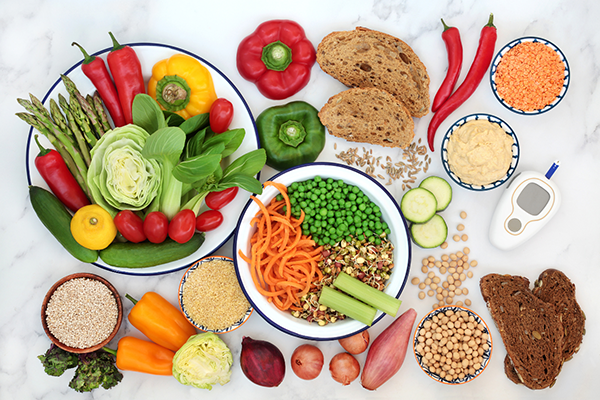
The GI method was originally developed to help people with diabetes, but has since become a popular approach for healthier eating and more stable blood sugar levels. GI (glycaemic index) describes how quickly carbohydrates are broken down and absorbed into the bloodstream – the lower the GI, the more slowly blood sugar rises. In this guide, we explain what low-GI foods are and share practical tips for creating meals with a lower glycaemic index.