



.svg)
The 5:2 diet at a glance:
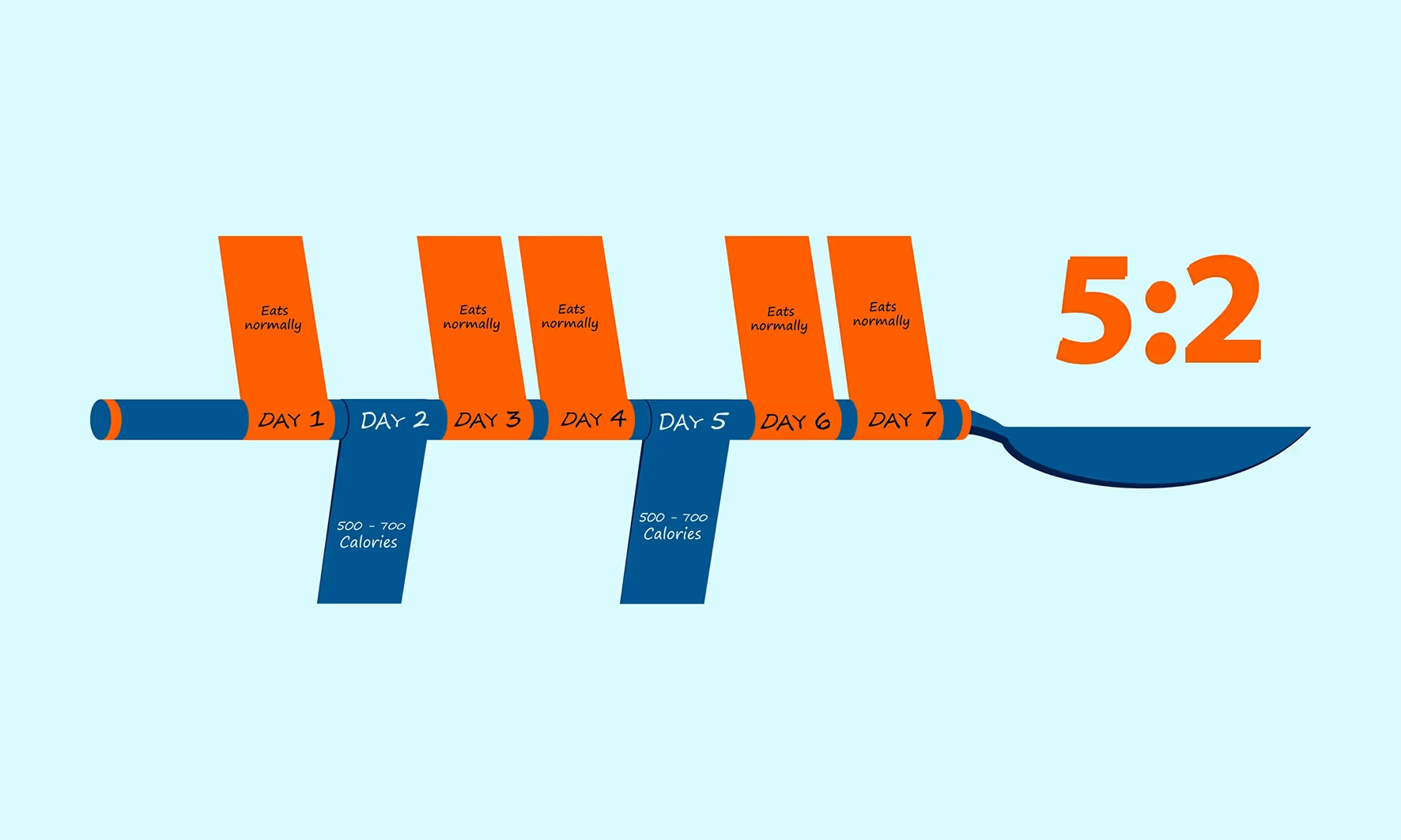
- The 5:2 diet is a type of intermittent fasting that involves eating only 500–600 calories on two specific days per week, known as fasting days, while eating “as normal” on the remaining five days of the week.
- The diet provides no guidance on what or how to eat, but focuses mainly on when you eat.
- For weight loss, total energy intake over time is what matters, something that the 5:2 method is intended to achieve spontaneously.
Fasting, or eating according to intermittent fasting for weight loss or health benefits, is a relatively new trend. So what does fasting according to the 5:2 diet actually involve? What are the pros and cons of the diet, and what does the research say?
What is the 5:2 diet and intermittent fasting?
The well-known 5:2 diet is a form of intermittent fasting that involves eating only 500–600 calories (500 kcal for women and 600 kcal for men) on two days per week and eating “as normal” on the remaining five days. The 5:2 method gained huge attention and quickly became a worldwide trend when British doctor and TV journalist Michael Mosley introduced it in his documentary Eat, Fast, and Live Longer, broadcast on the BBC in 2012.
How the 5:2 diet works – fasting two days a week
The 5:2 diet focuses on when you eat and is therefore a way of eating, known as an eating pattern. The method gives no specific guidance on what or how to eat, beyond recommending a healthy diet. It is also up to each individual how they choose to distribute their 500–600 calories across the two fasting days. On these days, you need to eat less and only small amounts of food to stay within the low calorie intake. You can divide the calories into several small meals during the day or eat one larger meal, such as breakfast, lunch or dinner – entirely depending on personal preference.
Here is an example of what a typical week using the 5:2 method might look like if you eat 500 kcal on fasting days and eat as normal on the other days:
- Monday: Eat as normal
- Tuesday: Fasting day – eat 500 calories, e.g. a 500-calorie dinner
- Wednesday: Eat as normal
- Thursday: Eat as normal
- Friday: Fasting day – eat 500 calories, e.g. 250 calories at breakfast and 250 calories at lunch
- Saturday: Eat as normal
- Sunday: Eat as normal
Health benefits of the 5:2 method – what does the research say?
The 5:2 diet is not primarily intended for weight loss, but rather to promote healthier ageing through a process known as autophagy. This theory suggests that cells repair themselves when energy availability is limited. However, this has not yet been proven in humans, and more research is needed to understand the exact and long-term effects of fasting.
The 5:2 diet can be a way to reduce overall calorie intake and, as a result, lead to weight loss. Weight loss in turn has several positive effects on metabolic health, such as improved insulin sensitivity and blood glucose levels.
Disadvantages of the 5:2 diet
Whenever food intake is restricted, regardless of the method used, it is important to ensure that you consume enough protein, fibre, healthy fats, as well as vitamins and minerals. This is especially important on fasting days, when energy intake is low, and the food consumed needs to be balanced and nutrient-dense. Fluid intake may also be lower, as part of our daily fluid intake comes from the food we eat.
Some people may experience increased fatigue and headaches when fasting. It can also make it more difficult to be physically active on fasting days due to the low energy intake. This may affect wellbeing, as regular exercise and physical activity are important for overall health. For those who train frequently, the 5:2 diet may therefore be less suitable.
Restricting calorie intake significantly on two days per week can also be socially limiting.
Eating according to the 5:2 diet is generally safe for healthy individuals. However, certain groups should avoid it, including pregnant or breastfeeding women, people with diabetes treated with insulin, and some individuals with current or previous eating disorders.
The 5:2 diet for weight loss
The 5:2 diet works by restricting calorie intake on two fasting days per week, which can lead to a calorie deficit and therefore weight loss. Combined with healthy food choices, the method can work well for achieving weight loss. However, it is important not to compensate for the lower calorie intake on fasting days by overeating on the remaining days, as this counteracts the purpose of the diet.
The 5:2 diet and Yazen
It is possible to combine a diet such as 5:2 with medical treatment. However, fasting days may increase the risk of side effects such as gastrointestinal discomfort, so it is important to be cautious and to try what works best for you.
At Yazen, we do not promote any specific diet. Instead, we focus on a healthy way of eating and living based on current nutritional recommendations. At the same time, we value personal choice and the ability to eat in a way that feels sustainable and works in everyday life. Always consult your Yazen team before changing your diet, so they can help you with any necessary adjustments and support based on your individual needs.
If you would like to read more about different ways of eating, we recommend our article series on diets.
References
Patikorn C, Roubal K, Veettil SK, et al. (2021). Intermittent Fasting and Obesity-Related Health Outcomes: An Umbrella Review of Meta-analyses of Randomised Clinical Trials. JAMA Network Open.
Patterson, Ruth E., and Dorothy D. Sears (2017). Metabolic Effects of Intermittent Fasting. Annual Review of Nutrition, 37: 371–393.


August 22, 2024
January 9, 2026
Start your weight loss journey with Yazen today
Everything you need to do is to create an account and answer some questions about your health
.svg)
.svg)
More articles


Ketosis weight loss per week: guide and long-term goals
In the early 20th century, doctors discovered that ketosis – a state in which the body uses fat as its main source of energy – could reduce severe epileptic seizures. Today, the ketogenic diet is best known in the context of weight loss and health, with promises of rapid weight loss and improved metabolic health. But what actually holds true? In this guide, we explore the relationship between ketosis, weight loss, and health.

Intermittent fasting for weight loss: how it works, benefits, and risks
Intermittent fasting is a popular way to reduce energy intake for weight loss. For some people, it can be a helpful support on a weight journey, but it’s not right for everyone and needs careful thought to be safe and sustainable. In this article, we look at how intermittent fasting works, potential benefits, and risks you should be aware of.