Elinor Medhammar
Elinor Medhammar is a Registered Dietitian with experience in medical nutritional therapy and lifestyle interventions in primary care, research projects, and a specialist clinic for childhood obesity. At Yazen, she works on developing lifestyle programmes and app content to support patients in their weight journey.




Fasting for weight loss: guide, risks and benefits
Fasting and intermittent fasting are popular ways to lose weight and improve health – for example through 16:8 schedules and the 5:2 approach. Many people experience better appetite control and a clearer daily structure, but the method is not suitable for everyone and may involve risks. In this guide, we go through what fasting is, its potential benefits and risks, and how it can be combined with Yazen’s comprehensive treatment for overweight and obesity.

Intermittent fasting for weight loss: how it works, benefits, and risks
Intermittent fasting is a popular way to reduce energy intake for weight loss. For some people, it can be a helpful support on a weight journey, but it’s not right for everyone and needs careful thought to be safe and sustainable. In this article, we look at how intermittent fasting works, potential benefits, and risks you should be aware of.
Boost your metabolism – how it works and how you can influence it
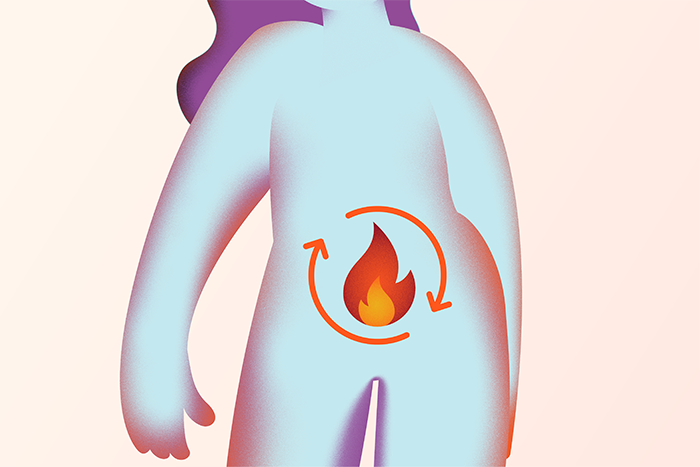
Every second, your body uses energy. Your brain needs fuel to think, your heart to keep beating, and your lungs to fill with air. Even when you are lying still, your body is constantly working in the background. All of this requires fuel. Metabolism, also known as metabolic rate, is the process by which the body converts food into energy.

Effective fat burning: a guide for those who want to burn fat the right way
Effective fat burning isn’t about extreme methods – it’s about understanding how the body uses energy, how you can increase your expenditure, and how to build habits that last for more than just a few weeks. Many people who want to lose weight think they need to do everything “perfectly”, but in reality it’s about finding long-term, sustainable strategies combined with training, nutrition, and more daily movement.

Exercise and diet for weight loss – a guide to healthy weight reduction
Losing weight in a healthy and sustainable way is not about quick fixes or extreme methods, but about making changes to your diet, exercise, and lifestyle that you can maintain over time.
In this article, we discuss how diet and physical activity work together, and how small changes in your daily routine can contribute to better long-term health.

The best diet to lose weight quickly – how to do it in a healthy way
When the goal is to lose weight quickly, it’s easy to get caught up in headlines and new trends. However, research consistently points in the same direction: the best diet for losing weight is the one you can maintain over time — one that creates a calorie deficit while still providing enough nutrients, vitamins, and minerals. When your energy intake (kcal) is lower than your energy expenditure, your weight decreases – regardless of what the diet is called (1,2).

Losing weight after pregnancy – advice for new mothers
Losing weight after pregnancy is an individual process that looks different for everyone. For some, the weight decreases gradually and with little effort, while others find that it doesn’t decrease as expected despite healthy eating and exercise habits. How easy or difficult it is to lose weight depends on several factors, including how much weight you gained during pregnancy, your pre-pregnancy weight, diet, physical activity, genetics, and sleep.