

Weight gain after GLP-1 treatment – how to maintain weight loss long-term
Weight gain after stopping GLP-1 medication is common and is partly due to appetite regulation, hunger, and energy balance gradually returning to previous levels when treatment ends. Obesity is a chronic and complex disease where biological mechanisms affect hunger, satiety, and body weight over time.


.svg)
Why does weight increase after stopping GLP-1 treatment?
The body has several physiological mechanisms that counteract weight loss and work to restore previous body weight. During weight loss, energy expenditure can decrease while signals linked to hunger and appetite increase.
GLP-1-based medications, such as semaglutide (Ozempic, Wegovy) and tirzepatide (Mounjaro), affect these systems by mimicking the body's own satiety hormones. The treatment can, among other things, contribute to an increased feeling of fullness, reduced energy intake, and delayed gastric emptying.
When treatment is stopped, the effects of the drug gradually wear off. Appetite regulation then gradually returns to the individual's previous physiological baseline, which can make it more difficult to maintain weight loss through lifestyle measures alone.
Studies suggest that a significant portion of the previous weight loss often returns over time after treatment is stopped, especially if no long-term strategy for weight stabilization is in place. The results support the view of obesity as a chronic disease where long-term follow-up, sustainable lifestyle habits, and in some cases continued medical treatment may be needed to maintain treatment results.
The challenge of weight gain when treatment ends
Many patients experience frustration or feelings of failure when weight increases after treatment is stopped. It is important to understand that this is not just about willpower, but also about biological mechanisms that affect the body's energy balance and appetite regulation.
When treatment with GLP-1-based drugs is discontinued, hunger and appetite can gradually increase again while the body's energy expenditure remains lower after weight loss. This can make it difficult to maintain the lower weight over time, even for individuals who actively work on their lifestyle habits.
In addition to changes in body weight, metabolic improvements may also gradually decline after treatment ends. Studies have shown that, for example, blood sugar regulation, blood pressure, and blood lipids can return to previous levels over time.
Decisions to stop or pause treatment should therefore always be made in consultation with the treating physician, so that an individual plan for follow-up and long-term weight stabilization can be developed.
Read more about what happens when GLP-1 treatment is stopped.
Strategies for long-term weight stability
Long-term weight stability after weight loss is often based on a combination of sustainable lifestyle habits and, for many patients, continued medical treatment following an individual assessment.
Regular physical activity, especially strength training, can help preserve muscle mass and maintain the body's energy expenditure over time. A nutritious diet with sufficient protein intake can simultaneously provide better satiety and support the preservation of muscle mass.
The importance of muscle mass during weight loss with GLP-1 drugs
Strength training and an adequate protein intake are important components of weight loss to preserve muscle mass and support body function over time.
During weight loss, not only fat mass decreases, but also a certain amount of fat-free mass, including muscle tissue. This has been observed both in surgical treatment of obesity and in treatment with GLP-1-based drugs. The proportion that consists of muscle mass varies between individuals and is influenced by diet, physical activity, and the degree of weight loss.
Muscle mass is important for the body's energy expenditure, strength, and physical function. Regular strength training can help reduce the loss of muscle mass during weight loss, and an adequate protein intake helps the body maintain and repair muscle tissue.
Combining weight loss with muscle-preserving strategies can therefore be important both for metabolic health and for the ability to maintain results over time.
Dietary habits and self-monitoring
Sustainable dietary habits play an important role in maintaining weight loss over time. A nutritious diet with a good satiety effect can facilitate weight stability.
Foods with a high "satiety index" and lower energy content, such as vegetables, legumes, whole grain products, and protein-rich foods, can contribute to better fullness and a more stable energy intake.
Protein and fiber can contribute to increased satiety and reduce hunger as well as snacking between meals. Regular meals can also contribute to more stable energy levels and reduce the risk of impulsive eating.
For many, self-monitoring can be a support for maintaining healthy habits. This can include, for example, keeping a food diary, tracking weight development, physical activity, or other health markers over time. Regular follow-up can make it easier to detect changes early and, if necessary, adjust lifestyle habits or treatment in consultation with healthcare professionals.
Yazen Clarity – a maintenance phase with long-term follow-up
After reaching the target weight, treatment at Yazen can transition into a maintenance phase focused on long-term weight stability and continued medical follow-up.
For many patients, an abrupt end to treatment is associated with increased hunger and a risk of weight regain. Therefore, in many cases, treatment can continue with an individually adapted maintenance dose after medical assessment.
The goal of maintenance treatment is to support appetite regulation and help the patient maintain the lifestyle habits and health gains achieved during treatment. Dosage and follow-up are adapted based on individual needs, treatment response, and any side effects.
The maintenance phase can be combined with continued support regarding diet, physical activity, and behavioral changes to create sustainable results over time.
The importance of continuous medical support
Long-term treatment of overweight and obesity often requires continuous follow-up and individualized support over time. Regular contact with healthcare professionals can help identify changes early, adapt treatment as needed, and support sustainable lifestyle habits.
Obesity is a chronic and complex disease where biological, psychological, and lifestyle-related factors interact. For many patients, a multidisciplinary team consisting of doctors, coaches, dietitians, psychologists, and other health professionals can be valuable for managing different parts of the treatment.
Ongoing follow-up can include, for example, weight development, side effects, physical activity, dietary habits, and other health parameters. This can make it possible to adjust the treatment strategy over time and provide support during periods where motivation, stress, or everyday factors affect the ability to maintain new habits.
The goal of long-term support is not only to influence body weight, but also to promote improved health, function, and quality of life over time.
Frequently Asked Questions about Weight Gain and GLP-1 (FAQ)
Do you always gain weight when you stop GLP-1?
Weight gain after stopping treatment with GLP-1 drugs is common, but the degree varies between individuals. For many, appetite increases gradually as the effect of the drug wears off, which can make it more difficult to maintain weight loss over time.
When treatment is stopped, the body's appetite regulation and energy balance gradually return to previous levels. This can lead to increased hunger and a reduced feeling of fullness compared to during ongoing treatment.
The risk of weight regain can be influenced by several factors, including lifestyle habits, physical activity, sleep, stress, and whether continued medical maintenance treatment is used after individual assessment. For many, long-term follow-up and support can be important for maintaining results over time.
How quickly does hunger come back after treatment ends?
Many patients experience that appetite gradually increases after stopping treatment with GLP-1-based drugs. How quickly this happens varies between individuals and is affected by treatment duration, dosage, and individual biological factors.
Drugs like semaglutide and tirzepatide have relatively long half-lives, meaning the effect wears off gradually over several weeks after the last dose. As drug levels drop, the body's appetite regulation gradually returns to its original state, which can lead to increased hunger, decreased satiety, and the return of previous food cravings.
Do I have to take weight loss medication for the rest of my life?
Obesity is a chronic disease, and for some patients, long-term drug treatment can be an important part of maintaining weight loss and health gains over time. However, treatment needs vary between individuals and must always be assessed individually together with a doctor.
After reaching the target weight, treatment can in some cases transition to a lower maintenance dose with the aim of supporting appetite regulation and reducing the risk of weight regain, while taking into account efficacy, side effects, and life situation. The goal is always to find a long-term sustainable treatment strategy based on the individual's needs and health.
What type of training is best to avoid gaining weight again?
During weight loss, not only fat mass decreases but also a certain amount of muscle mass. Regular strength training can help preserve or build muscle, which is important for the body's strength, function, and energy expenditure over time.
Cardio training and everyday movement simultaneously contribute to increased energy expenditure and improved cardiovascular health. The most sustainable strategy is often a combination of strength training, cardio, and regular physical activity in everyday life.
Which form of exercise works best varies between individuals, and the most important thing is often to find activities that can be maintained long-term.
Sources
European Society of Cardiology (ESC). Obesity and Cardiovascular Disease: an ESC Clinical Consensus Statement
https://academic.oup.com/eurheartj/article/45/38/4063/7738070
Diabetes, Obesity and Metabolism. Weight regain and cardiometabolic effects after withdrawal of semaglutide: the STEP 1 trial extension. https://pubmed.ncbi.nlm.nih.gov/35441470/
BMJ. Weight Regain After Cessation of Weight Management Medications: Systematic Review and Meta-Analysis. https://www.bmj.com/content/392/bmj-2025-085304
eClinicalMedicine. Metabolic rebound after GLP-1 receptor agonist discontinuation: a systematic review and meta-analysis. 2025. https://www.thelancet.com/journals/eclinm/article/PIIS2589-5370(25)00614-5/fulltext
American Journal of Clinical Nutrition. Long-term weight loss maintenance. Wing RR, Phelan S. 2005. https://pubmed.ncbi.nlm.nih.gov/16002825/
American Journal of Clinical Nutrition. A descriptive study of individuals successful at long-term maintenance of substantial weight loss. Klem ML, Wing RR, McGuire MT, Seagle HM, Hill JO. 1997.
https://pubmed.ncbi.nlm.nih.gov/9250100/
European Medicines Agency (EMA). Wegovy
https://www.ema.europa.eu/en/medicines/human/EPAR/wegovy
European Medicines Agency (EMA). Mounjaro
https://www.ema.europa.eu/en/medicines/human/EPAR/mounjaro


May 12, 2026
May 13, 2026
Start your weight loss journey with Yazen today
Everything you need to do is to create an account and answer some questions about your health
.svg)
.svg)
More articles
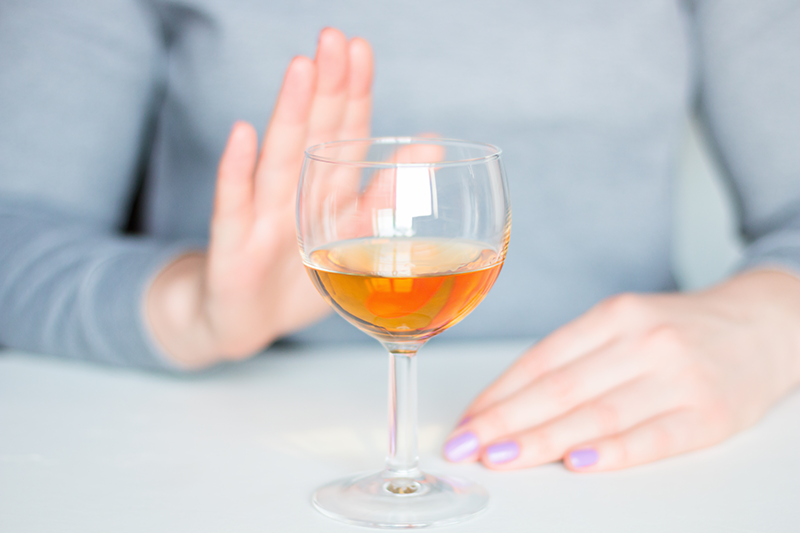

Can You Drink Alcohol on GLP-1 Medication?
Are you wondering if you can drink alcohol while taking GLP-1 medication? The short answer is yes, but you’ll need to be careful. Medicines like Wegovy and Mounjaro can change how your body processes both food and alcohol. This can increase side effects like nausea and affect your alcohol tolerance. Here are a few things to help you make safe, informed choices.

Lipedema or obesity – how can you tell the difference?
Understanding why the body does not always respond as expected to diet and physical activity is an important starting point for the right treatment. Lipedema and overweight can in some cases resemble each other, but are two different conditions with distinct underlying mechanisms. They can also occur simultaneously, which can further complicate the clinical picture.
